The International Space Station
The ISS is the largest crewed structure ever placed in orbit — a complex of pressurized modules, trusses and solar arrays assembled over more than two decades by the United States, Russia, Europe, Japan and Canada. It is tracked as a single object, NORAD 25544, but it is built from 17 distinct pressurized modules. Here is each one — what it does, when it launched, and how it fits into the station.
US Orbital Segment
United States + international partners (ESA, JAXA, CSA)

The first US module — a connecting node linking the Russian and US segments.

The primary US research laboratory — the hub of American science on the station.

The US segment’s airlock — enables spacewalks in both US and Russian suits.
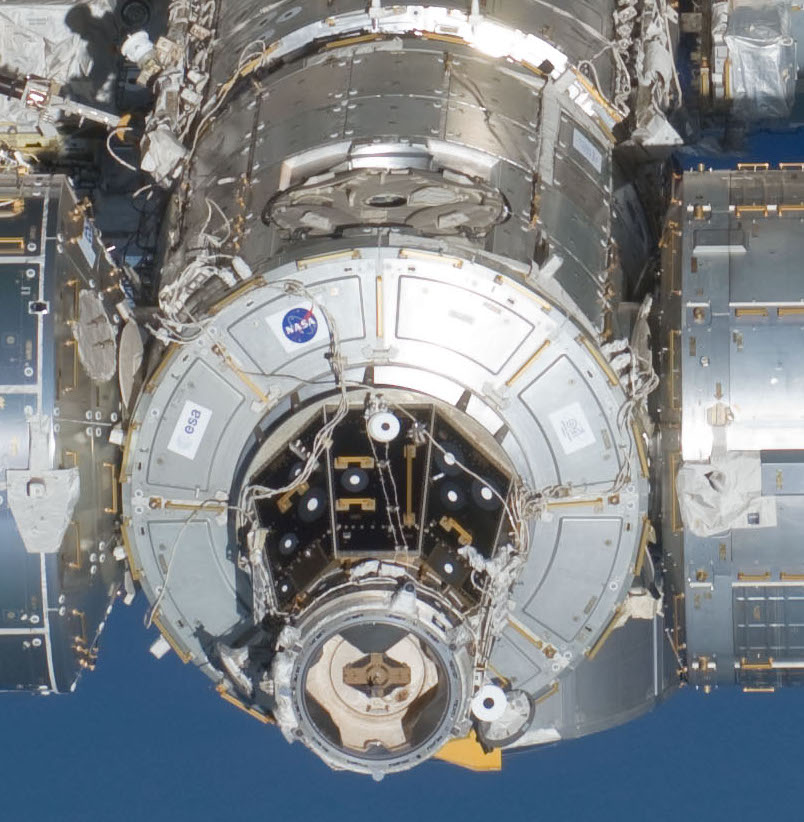
A connecting node and utility hub — the berthing point for Columbus, Kibō, and visiting US crew vehicles.

Europe’s primary research laboratory on the station.

Japan’s laboratory complex — the largest single ISS module, with a unique exposed external platform.

A connecting node housing the station’s main life-support systems, exercise gear, and the Cupola.

The station’s seven-window observation dome — used for Earth viewing and robotic-arm operations.
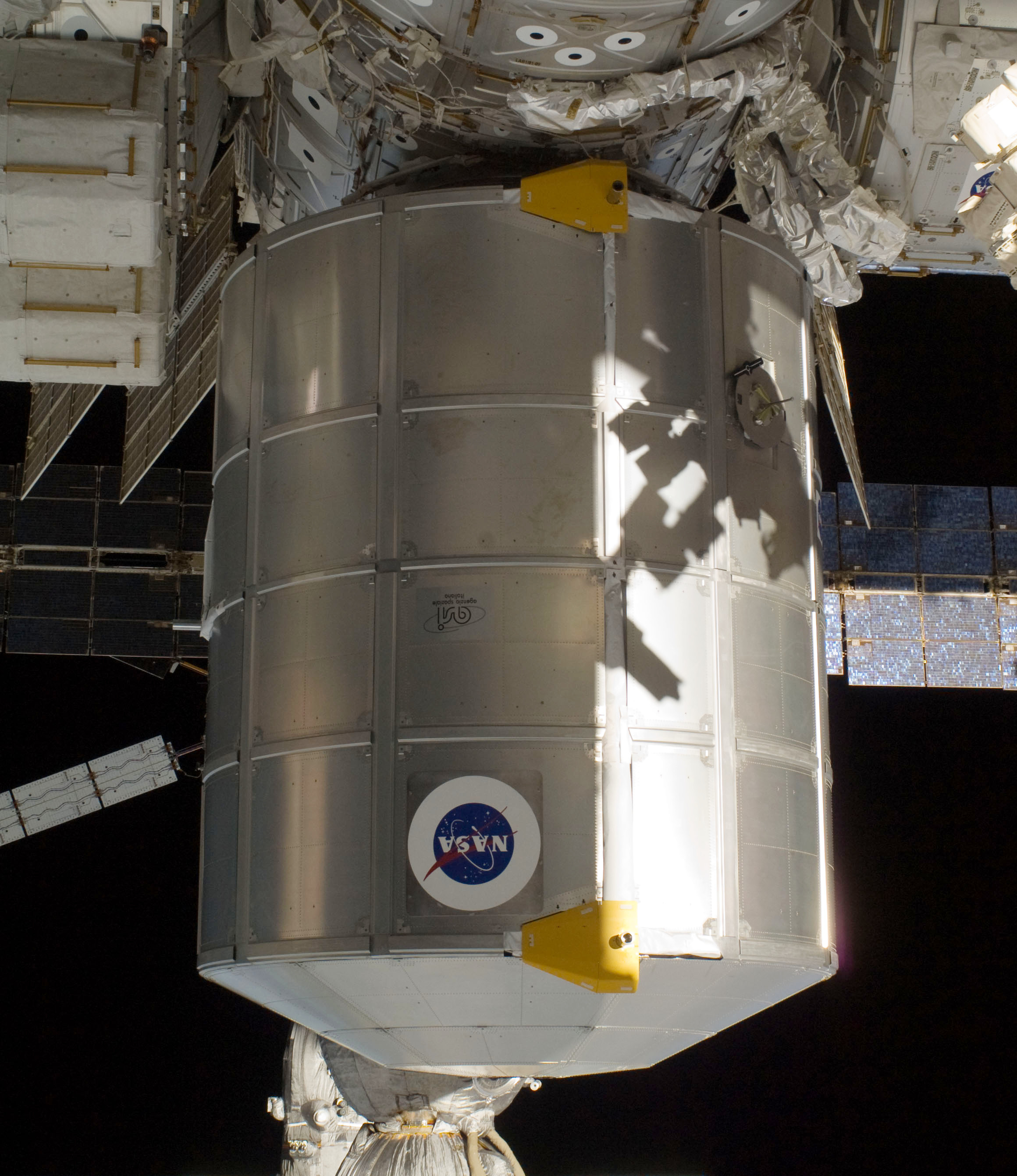
A permanent storage module — originally an Italian-built reusable cargo carrier, later left attached.

An experimental expandable (inflatable) module testing soft-shell habitat technology.
The first commercially owned ISS module — a robotic airlock for deploying payloads and satellites.
Russian Orbital Segment
Operated by Roscosmos
The first ISS module — the station’s original power, propulsion and control block, now used mainly for storage.
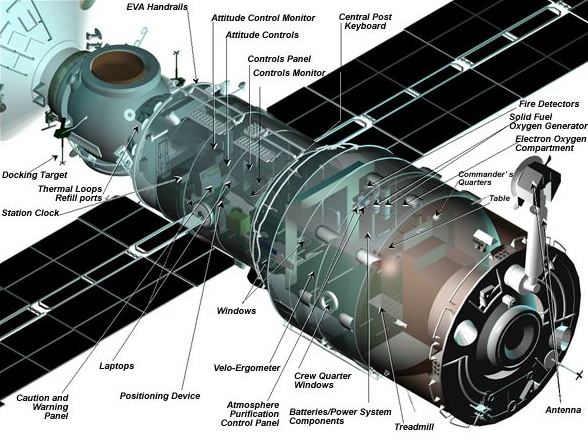
The Russian service module — early life support, propulsion, and the first permanent crew quarters.
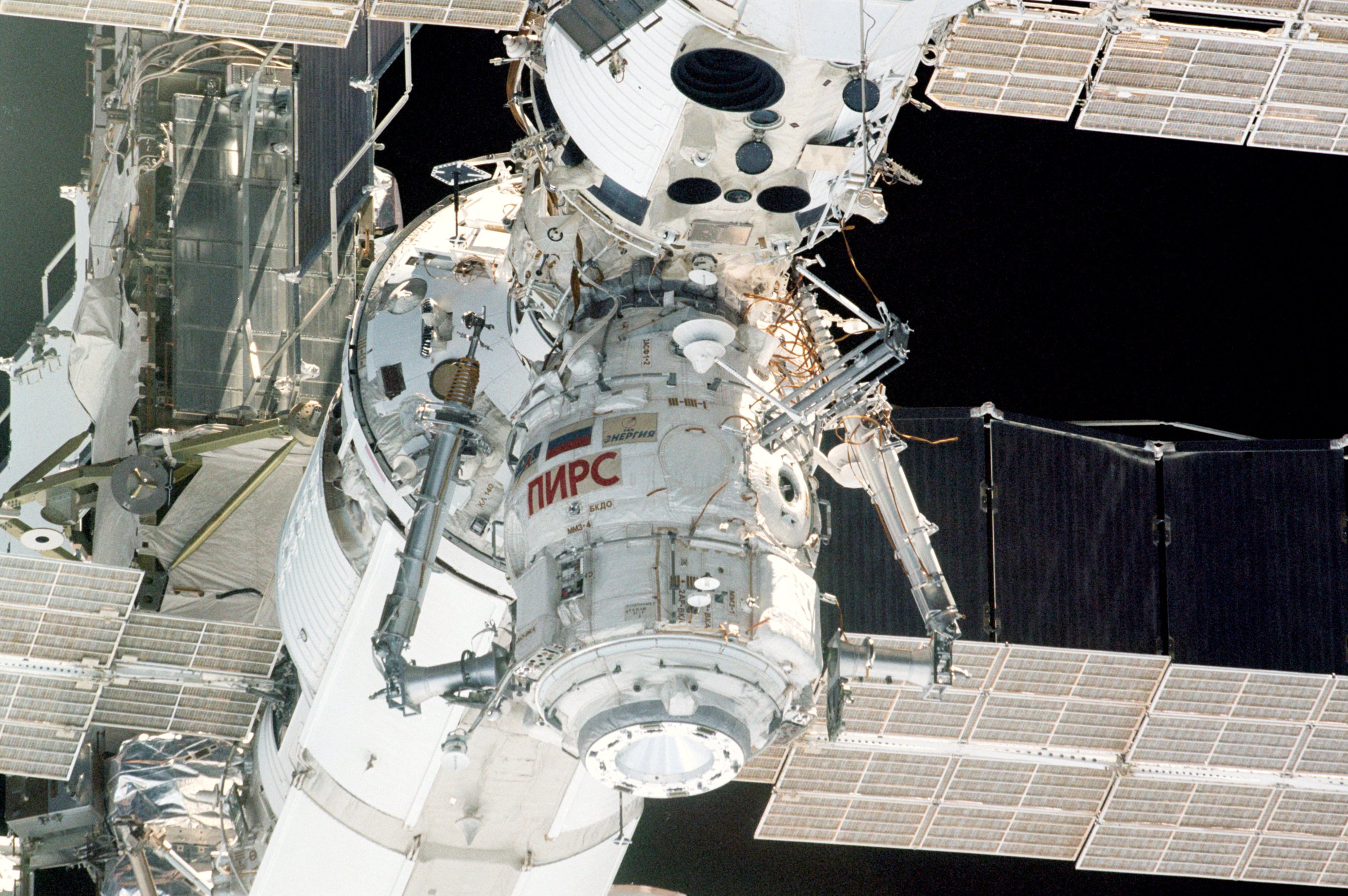
A former Russian docking compartment and airlock — deorbited in 2021 to make room for Nauka.
no longer attached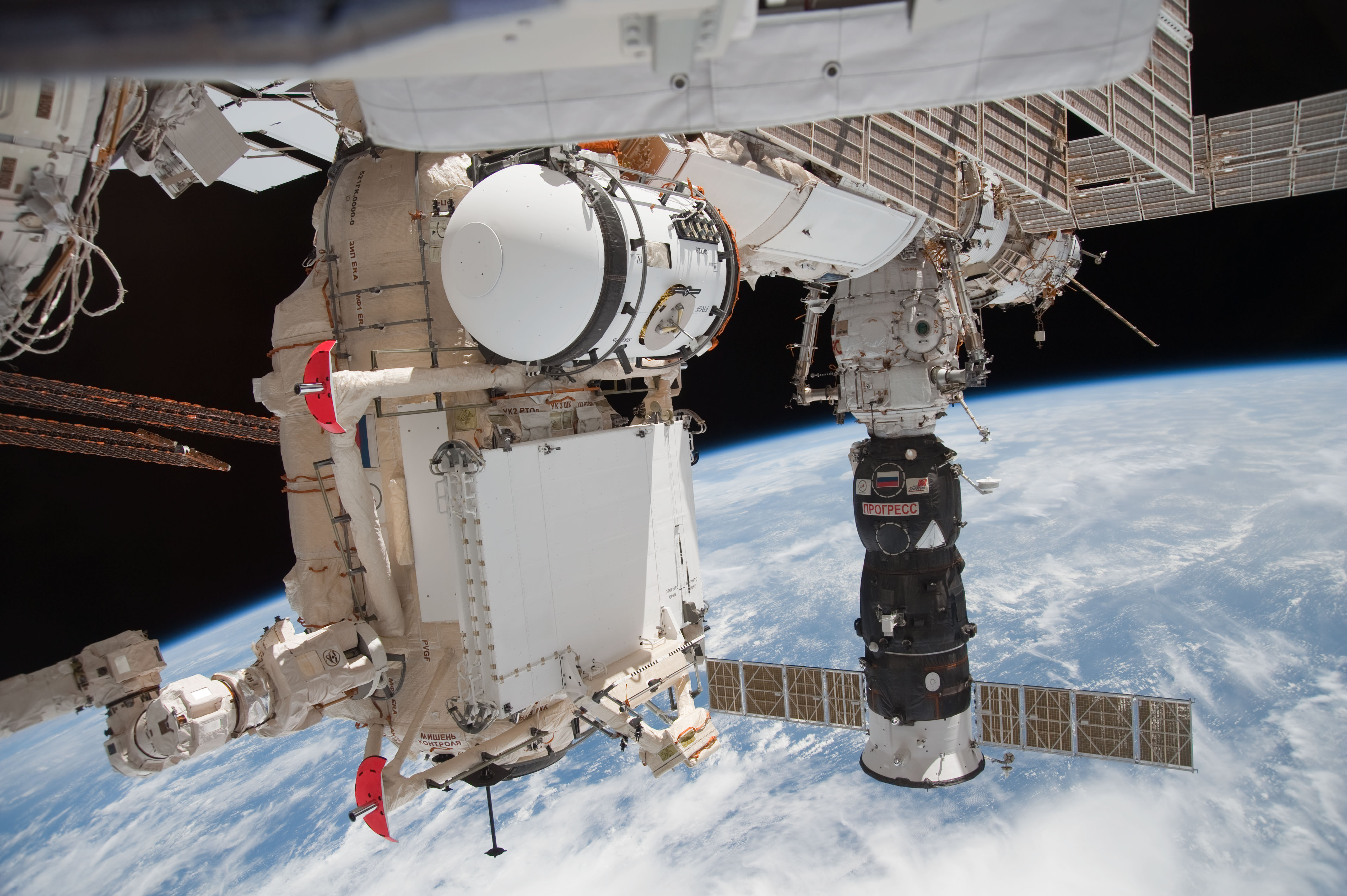
A Russian module used for docking and storage, delivered (unusually) by US Space Shuttle.

The newest Russian laboratory module — research space, an oxygen generator, and the European Robotic Arm.

A spherical Russian docking node with up to six ports for future expansion.