Voskhod
About the Voskhod
Voskhod
The Voskhod is a Soviet orbital launch vehicle developed and operated by the Soviet Space Program, serving as one of the workhorse boosters of the early Soviet space effort. A member of the broader R-7 rocket family — the lineage that traces back to Sergei Korolev's original intercontinental ballistic missile — the Voskhod variant was adapted to support a sustained cadence of military and scientific satellite launches during the 1960s and 1970s.
Origins and Role
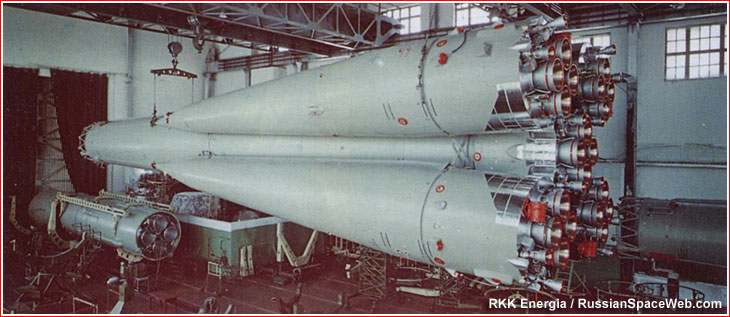
The Voskhod booster grew out of the same foundational architecture that powered the earliest Sputnik and Vostok missions, inheriting the distinctive clustered-engine first stage and parallel-staging approach that defined R-7 derivatives. While the name "Voskhod" is also associated with the crewed spacecraft that carried Soviet cosmonauts on landmark missions in 1964 and 1965, in launch vehicle terms the designation refers to a rocket configuration tasked primarily with deploying reconnaissance and Earth-observation satellites into low Earth orbit. This role placed it at the center of the Soviet Union's extensive Zenit satellite program, which sought systematic photographic coverage for intelligence purposes.
Launches took place from Baikonur Cosmodrome in Kazakhstan, the historic Soviet launch facility that served as the primary site for R-7-family vehicles throughout this era.
Flight Record
Our tracking data encompasses 299 flights of the Voskhod launch vehicle, spanning an operational period from 1963 to 1976. Of those missions, 286 are recorded as successful, with 13 resulting in failure or partial failure — a reliability rate that reflects the maturity of the underlying R-7 design and the Soviet program's accumulated launch experience by this period.
The vehicle's primary customer throughout its service life was the Soviet Space Program itself, consistent with the overwhelmingly military and governmental character of Soviet space activity during the Cold War era.
Missions and Payloads
The most frequent payloads flown on the Voskhod were satellites from the Zenit family, including the Zenit-2M and Zenit-4MK variants — film-return reconnaissance spacecraft that would complete their missions and recover their capsules over Soviet territory. Recent missions in our dataset include multiple successive Zenit-4MK flights (designated Zenit-4MK 59 through 63) as well as Zenit-2M missions, underscoring how heavily the vehicle's later career was devoted to this steady operational cadence of imaging satellites.
This rhythm of launches — often with only weeks between flights — illustrated the Soviet approach to reconnaissance from orbit: deploying relatively short-lived film-capsule satellites in rapid succession rather than relying on a smaller number of longer-duration platforms.
Legacy
The Voskhod's 13-year operational run and near-300-flight history make it a significant chapter in the story of early spaceflight industrialization. It demonstrated that an R-7 derivative could sustain genuine mass-production launch operations, normalizing orbital access in a way that prefigured the high-cadence commercial launch models of later decades. Its record stands as a testament to the durability and adaptability of Korolev's original rocket design, which continued to evolve and serve in various forms long after this particular variant was retired.
- Jun 29, 1976Voskhod | Zenit-4MK 63Success
- Jun 16, 1976Voskhod | Zenit-4MK 62Success
- Jun 08, 1976Voskhod | Zenit-4MK 61Success
- May 26, 1976Voskhod | Zenit-4MK 60Success
- May 20, 1976Voskhod | Zenit-2M 67Success
- May 05, 1976Voskhod | Zenit-4MK 59Success
- Apr 28, 1976Voskhod | Zenit-4MK 58Success
- Apr 09, 1976Voskhod | Zenit-2M 66Success
- Mar 26, 1976Voskhod | Zenit-4MK 57Success
- Feb 11, 1976Voskhod | Zenit-4MK 55Success
- Jan 29, 1976Voskhod | Zenit-2M 64Success
- Jan 07, 1976Voskhod | Zenit-4MK 54Success
- Dec 16, 1975Voskhod | Zenit-4MK 53Success
- Dec 03, 1975Voskhod | Zenit-2M 63Success
- Nov 21, 1975Voskhod | Zenit-2M 62Success
- Nov 04, 1975Voskhod | Zenit-4MK 52Success
- Oct 17, 1975Voskhod | Zenit-2M 61Success
- Oct 01, 1975Voskhod | Zenit-4MK 51Success
- Sep 23, 1975Voskhod | Zenit-2M 60Success
- Sep 16, 1975Voskhod | Zenit-4MK 50Success
- Aug 27, 1975Voskhod | Zenit-4MK 49Success
- Aug 13, 1975Voskhod | Zenit-4MK 48Success
- Jul 31, 1975Voskhod | Zenit-4MK 47Success
- Jul 23, 1975Voskhod | Zenit-2M 59Success
- Jul 03, 1975Voskhod | Zenit-4MK 46Success
- Jun 27, 1975Voskhod | Zenit-2M 58Success
- Jun 25, 1975Voskhod | Zenit-4MK 45Success
- Jun 03, 1975Voskhod | Zenit-4MK 43Success
- May 30, 1975Voskhod | Zenit-2M/NKh 1Success
- May 28, 1975Voskhod | Zenit-4MK 42Success
- May 21, 1975Voskhod | Zenit-2M 57Success
- Apr 24, 1975Voskhod | Zenit-4MK 41Success
- Apr 18, 1975Voskhod | Zenit-2M 56Success
- Mar 27, 1975Voskhod | Zenit-4MK 39Success
- Mar 26, 1975Voskhod | Zenit-2M 55Success
- Mar 12, 1975Voskhod | Zenit-4MK 38Success
- Feb 26, 1975Voskhod | Zenit-4MK 37Success
- Feb 12, 1975Voskhod | Zenit-4MK 36Success
- Jan 23, 1975Voskhod | Zenit-4MK 35Success
- Jan 17, 1975Voskhod | Zenit-2M 54Success
- Dec 27, 1974Voskhod | Zenit-4MK 34Success
- Nov 27, 1974Voskhod | Zenit-2M 53Success
- Nov 16, 1974Voskhod | Zenit-4MK 33Success
- Nov 01, 1974Voskhod | Zenit-2M 52Success
- Oct 18, 1974Voskhod | Zenit-4MK 31Success
- Sep 20, 1974Voskhod | Zenit-2M 51Success
- Aug 30, 1974Voskhod | Zenit-2M 50Failure
- Aug 29, 1974Voskhod | Zenit-4MK 30Success
- Aug 07, 1974Voskhod | Zenit-4MK 29Success
- Jul 26, 1974Voskhod | Zenit-2M 49Success
- Jul 25, 1974Voskhod | Zenit-4M 61Success
- Jul 12, 1974Voskhod | Zenit-4MK 28Success
- Jun 13, 1974Voskhod | Zenit-4MK 27Success
- Jun 06, 1974Voskhod | Zenit-2M 48Success
- May 30, 1974Voskhod | Zenit-4MK 26Success
- May 15, 1974Voskhod | Zenit-2M 47Success
- Apr 29, 1974Voskhod | Zenit-4MK 24Success
- Apr 12, 1974Voskhod | Zenit-4MK 23Failure
- Apr 11, 1974Voskhod | Zenit-2M 46Success
- Apr 04, 1974Voskhod | Zenit-4MK 22Success
- Mar 14, 1974Voskhod | Zenit-2M 45Success
- Feb 12, 1974Voskhod | Zenit-4M 60Success
- Jan 30, 1974Voskhod | Zenit-4MK 20Success
- Jan 24, 1974Voskhod | Zenit-2M 44Success
- Dec 21, 1973Voskhod | Zenit-4MK 19Success
- Nov 28, 1973Voskhod | Zenit-4MK 18Success
- Nov 21, 1973Voskhod | Zenit-4M 59Success
- Nov 10, 1973Voskhod | Zenit-4MK 17Success
- Oct 27, 1973Voskhod | Zenit-4M 58Success
- Oct 20, 1973Voskhod | Zenit-4MK 16Success
- Oct 16, 1973Voskhod | Zenit-4M 57Success
- Oct 15, 1973Voskhod | Zenit-2M 43Success
- Oct 10, 1973Voskhod | Zenit-4M 56Success
- Oct 06, 1973Voskhod | Zenit-4MK 15Success
- Oct 03, 1973Voskhod | Zenit-2M 42Success
- Sep 06, 1973Voskhod | Zenit-4M 55Success
- Aug 30, 1973Voskhod | Zenit-2M 41Success
- Aug 24, 1973Voskhod | Zenit-4M 54Success
- Aug 21, 1973Voskhod | Zenit-4M 53Success
- Aug 01, 1973Voskhod | Zenit-2M 40Success
- Jul 25, 1973Voskhod | Zenit-4M 52Success
- Jul 04, 1973Voskhod | Zenit-4M 51Failure
- Jun 21, 1973Voskhod | Zenit-2M 39Success
- Jun 10, 1973Voskhod | Zenit-4M 50Success
- Jun 06, 1973Voskhod | Zenit-4M 49Success
- May 25, 1973Voskhod | Zenit-2M 38Success
- May 23, 1973Voskhod | Zenit-4M 48Success
- May 05, 1973Voskhod | Zenit-4MK 12Success
- Apr 25, 1973Voskhod | Zenit-2M 37Success
- Apr 19, 1973Voskhod | Zenit-4MK 11Success
- Mar 22, 1973Voskhod | Zenit-2M 36Success
- Mar 06, 1973Voskhod | Zenit-4M 47Success
- Mar 01, 1973Voskhod | Zenit-4MK 10Success
- Feb 08, 1973Voskhod | Zenit-4M 46Success
- Feb 01, 1973Voskhod | Zenit-2M 35Success
- Jan 11, 1973Voskhod | Zenit-4M 45Success
- Dec 14, 1972Voskhod | Zenit-4M 44Success
- Nov 25, 1972Voskhod | Zenit-2M 34Success
- Oct 31, 1972Voskhod | Zenit-4MK 9Success
- Oct 18, 1972Voskhod | Zenit-2M 33Success
- Oct 04, 1972Voskhod | Zenit-4M 43Success
- Sep 16, 1972Voskhod | Zenit-4M 42Success
- Sep 15, 1972Voskhod | Zenit-2M 32Success
- Sep 02, 1972Voskhod | Zenit-4M 41Failure
- Aug 30, 1972Voskhod | Zenit-2M 31Success
- Aug 18, 1972Voskhod | Zenit-4MK 8Success
- Aug 02, 1972Voskhod | Zenit-4M 40Success
- Jul 28, 1972Voskhod | Zenit-2M 30Success
- Jul 19, 1972Voskhod | Zenit-4M 39Success
- Jul 06, 1972Voskhod | Zenit-4M 38Success
- Jun 23, 1972Voskhod | Zenit-4M 37Success
- Jun 21, 1972Voskhod | Zenit-2M 29Success
- Jun 09, 1972Voskhod | Zenit-4M 36Success
- May 25, 1972Voskhod | Zenit-4M 35Success
- May 17, 1972Voskhod | Zenit-2M 28Success
- May 05, 1972Voskhod | Zenit-4MK 7Success
- Apr 14, 1972Voskhod | Zenit-4M 34Success
- Apr 07, 1972Voskhod | Energiya 1Success
- Apr 06, 1972Voskhod | Zenit-2M 27Success
- Apr 03, 1972Voskhod | Zenit-4M 33Success
- Mar 15, 1972Voskhod | Zenit-4M 32Success
- Mar 04, 1972Voskhod | Zenit-2M 26Success
- Feb 16, 1972Voskhod | Zenit-4M 31Success
- Feb 03, 1972Voskhod | Zenit-2M 25Success
- Jan 12, 1972Voskhod | Zenit-4M 30Success
- Dec 16, 1971Voskhod | Zenit-4M 29Success
- Dec 10, 1971Voskhod | Zenit-4M 28Success
- Dec 06, 1971Voskhod | Zenit-4M 27Success
- Dec 03, 1971Voskhod | Zenit-2M 24Failure
- Nov 19, 1971Voskhod | Zenit-4M 26Success
- Nov 02, 1971Voskhod | Zenit-4M 25Success
- Oct 14, 1971Voskhod | Zenit-4M 24Success
- Oct 07, 1971Voskhod | Zenit-2M 23Success
- Sep 29, 1971Voskhod | Zenit-4M 23Success
- Sep 28, 1971Voskhod | Zenit-4M 22Success
- Sep 21, 1971Voskhod | Zenit-2M 22Success
- Sep 14, 1971Voskhod | Zenit-4MK 6Success
- Aug 19, 1971Voskhod | Zenit-4M 21Failure
- Aug 05, 1971Voskhod | Zenit-4M 20Success
- Jul 30, 1971Voskhod | Zenit-2M 21Success
- Jul 23, 1971Voskhod | Zenit-4M 19Success
- Jul 20, 1971Voskhod | Zenit-4M 18Success
- Jun 25, 1971Voskhod | Zenit-4M 17Failure
- Jun 24, 1971Voskhod | Zenit-2M 20Success
- Jun 11, 1971Voskhod | Zenit-4MK 5Success
- May 28, 1971Voskhod | Zenit-4M 16Success
- May 18, 1971Voskhod | Zenit-4M 15Success
- May 06, 1971Voskhod | Zenit-2M 19Success
- Apr 14, 1971Voskhod | Zenit-4M 14Success
- Apr 02, 1971Voskhod | Zenit-2M 18Success
- Mar 27, 1971Voskhod | Zenit-4M 13Success
- Mar 05, 1971Voskhod | DS-P1-Yu 40Failure
- Mar 03, 1971Voskhod | Zenit-4M 12Success
- Feb 18, 1971Voskhod | Zenit-4M 11Success
- Jan 21, 1971Voskhod | Zenit-2M 16Success
- Jan 12, 1971Voskhod | Zenit-4M 10Success
- Dec 15, 1970Voskhod | Zenit-4M 9Success
- Dec 10, 1970Voskhod | Zenit-2M 15Success
- Dec 03, 1970Voskhod | Zenit-4MK 4Success
- Nov 11, 1970Voskhod | Zenit-2M 14Success
- Oct 30, 1970Voskhod | Zenit-4M 8Success
- Oct 09, 1970Voskhod | Zenit-4M 7Success
- Oct 08, 1970Voskhod | Zenit-2M 13Success
- Oct 01, 1970Voskhod | Zenit-2M 12Success
- Sep 22, 1970Voskhod | Zenit-4MK 3Success
- Sep 17, 1970Voskhod | Zenit-2M 11Success
- Sep 08, 1970Voskhod | Zenit-4M 6Success
- Aug 29, 1970Voskhod | Zenit-4M 5Success
- Aug 07, 1970Voskhod | Zenit-4 76Success
- Jul 21, 1970Voskhod | Zenit-4 75Failure
- Jul 09, 1970Voskhod | Zenit-2M 10Success
- Jul 07, 1970Voskhod | Zenit-4 74Success
- Jun 26, 1970Voskhod | Zenit-2M 9Success
- Jun 17, 1970Voskhod | Zenit-4 73Success
- Jun 10, 1970Voskhod | Zenit-4 72Success
- May 20, 1970Voskhod | Zenit-4 71Success
- May 12, 1970Voskhod | Zenit-2 81Success
- Apr 15, 1970Voskhod | Zenit-4M 4Success
- Apr 08, 1970Voskhod | Zenit-4 70Success
- Apr 03, 1970Voskhod | Zenit-2M 8Success
- Mar 27, 1970Voskhod | Zenit-4MK 2Success
- Mar 13, 1970Voskhod | Zenit-2 80Success
- Mar 04, 1970Voskhod | Zenit-2 79Success
- Feb 10, 1970Voskhod | Zenit-4 69Success
- Jan 21, 1970Voskhod | Zenit-4 68Success
- Jan 09, 1970Voskhod | Zenit-2M 7Success
- Dec 23, 1969Voskhod | Zenit-4MK 1Success
- Dec 03, 1969Voskhod | Zenit-2M 6Success
- Nov 15, 1969Voskhod | Zenit-4 67Success
- Nov 12, 1969Voskhod | Zenit-2 78Success
- Oct 24, 1969Voskhod | Zenit-2M 5Success
- Oct 17, 1969Voskhod | Zenit-4 66Success
- Sep 24, 1969Voskhod | Zenit-2 77Success
- Sep 18, 1969Voskhod | Zenit-4 65Success
- Sep 02, 1969Voskhod | Zenit-4 64Success
- Aug 29, 1969Voskhod | Zenit-4 63Success
- Aug 19, 1969Voskhod | Zenit-4 62Success
- Aug 16, 1969Voskhod | Zenit-2M 4Success
- Jul 22, 1969Voskhod | Zenit-2 76Success
- Jul 10, 1969Voskhod | Zenit-4 61Success