Unha
About the Unha
Unha
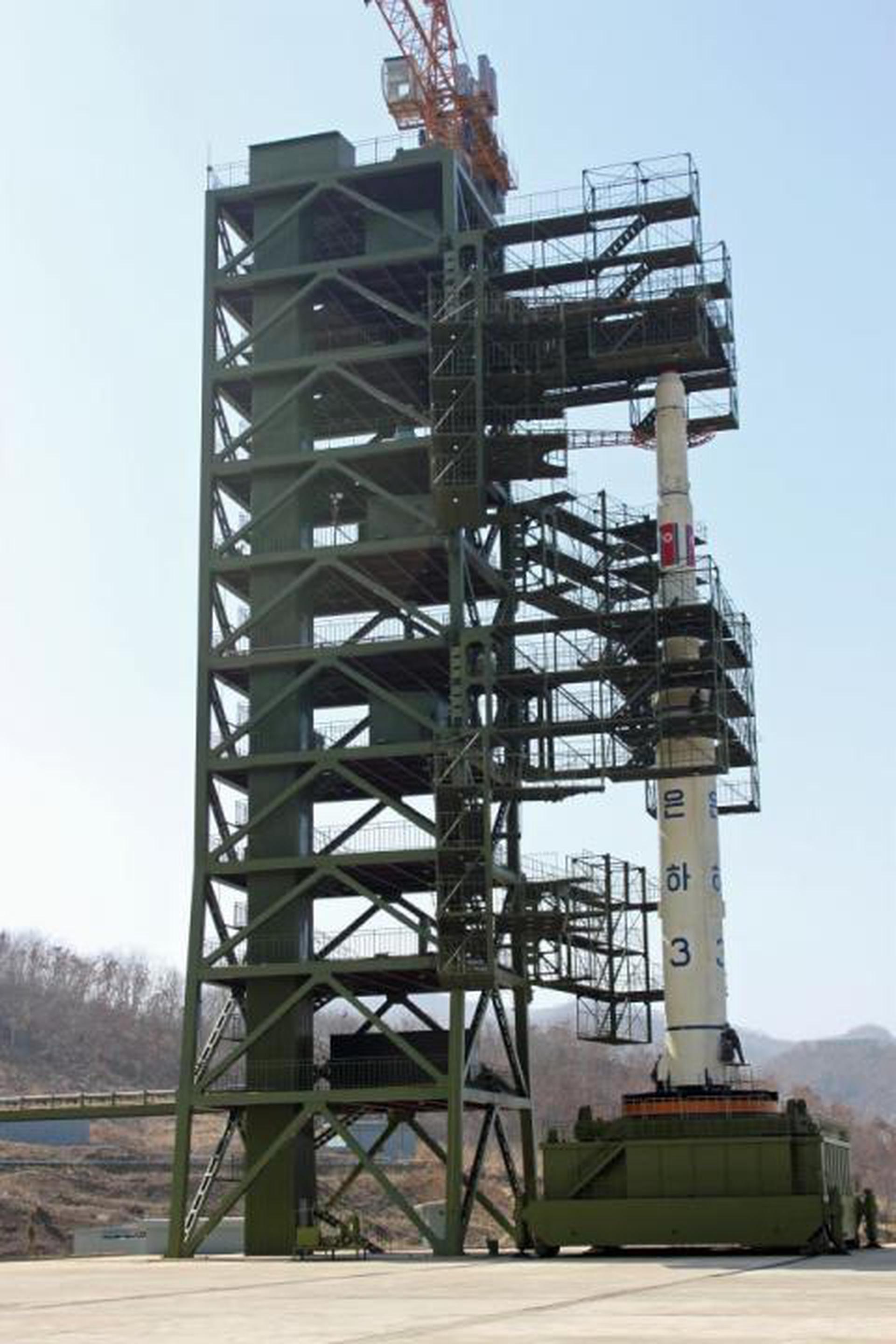
The Unha (Korean: "Galaxy") is a North Korean orbital launch vehicle developed and operated by state space agencies under the direction of the Democratic People's Republic of Korea. Known internationally by the designations assigned by Western analysts, the rocket has been operated under the auspices of the Korean Committee of Space Technology (KCST) and, later, the National Aerospace Development Administration (NADA), the two organizations that have served as North Korea's primary institutional faces for its civilian space program.
Development and Background
The Unha is derived from North Korea's long-running ballistic missile development programs and represents the country's primary attempt to demonstrate indigenous orbital launch capability. The vehicle is a multistage liquid-fueled rocket, and its development drew considerable international attention given the overlapping technology between space launch vehicles and long-range ballistic missiles. Launches take place from the Sohae Satellite Launching Station (also known as Tongchang-ri) on North Korea's northwest coast, a facility purpose-built to support the program.
The rocket's lineage and design are widely understood to share heritage with the Paektusan engine family and the broader Nodong/Taepodong missile line, making each launch a matter of close scrutiny by neighboring countries and international observers well beyond the space community.
Flight History
Our records include two tracked flights of the Unha, spanning an active period from 2009 to 2016, with one success and one failure or partial failure.
The first tracked mission, Unha | Kwangmyongsong-2, launched in 2009 and is recorded as a failure or partial success. Although North Korean authorities claimed the mission had orbited a satellite, international tracking agencies and governments were unable to confirm a functioning payload in orbit, and the flight is generally regarded as unsuccessful in achieving its stated objectives.
The second tracked mission, Unha | Kwangmyongsong-4, launched in 2016 and represents the program's confirmed orbital success. The launch successfully placed the Kwangmyongsong-4 satellite into low Earth orbit, marking a significant milestone for North Korea and prompting swift international condemnation and United Nations Security Council action. Western analysts noted that the satellite appeared to be tumbling in orbit and showed no signs of active operation, but the achievement of orbit itself was verified by independent tracking.
Significance
The Unha program holds an important, if controversial, place in spaceflight history as one of the few orbital launch vehicles developed entirely outside the established spacefaring nations and without international technical partnership. For North Korea, the program serves as a demonstration of technological sovereignty and engineering capability. For the broader international community, it remains a subject of concern due to the dual-use nature of the underlying technology.
With two flights in our dataset representing the full operational arc of the vehicle as currently tracked — from an early setback in 2009 to an orbital success in 2016 — the Unha stands as a rare and closely watched entry in the global catalog of orbital launch vehicles.