Soyuz U
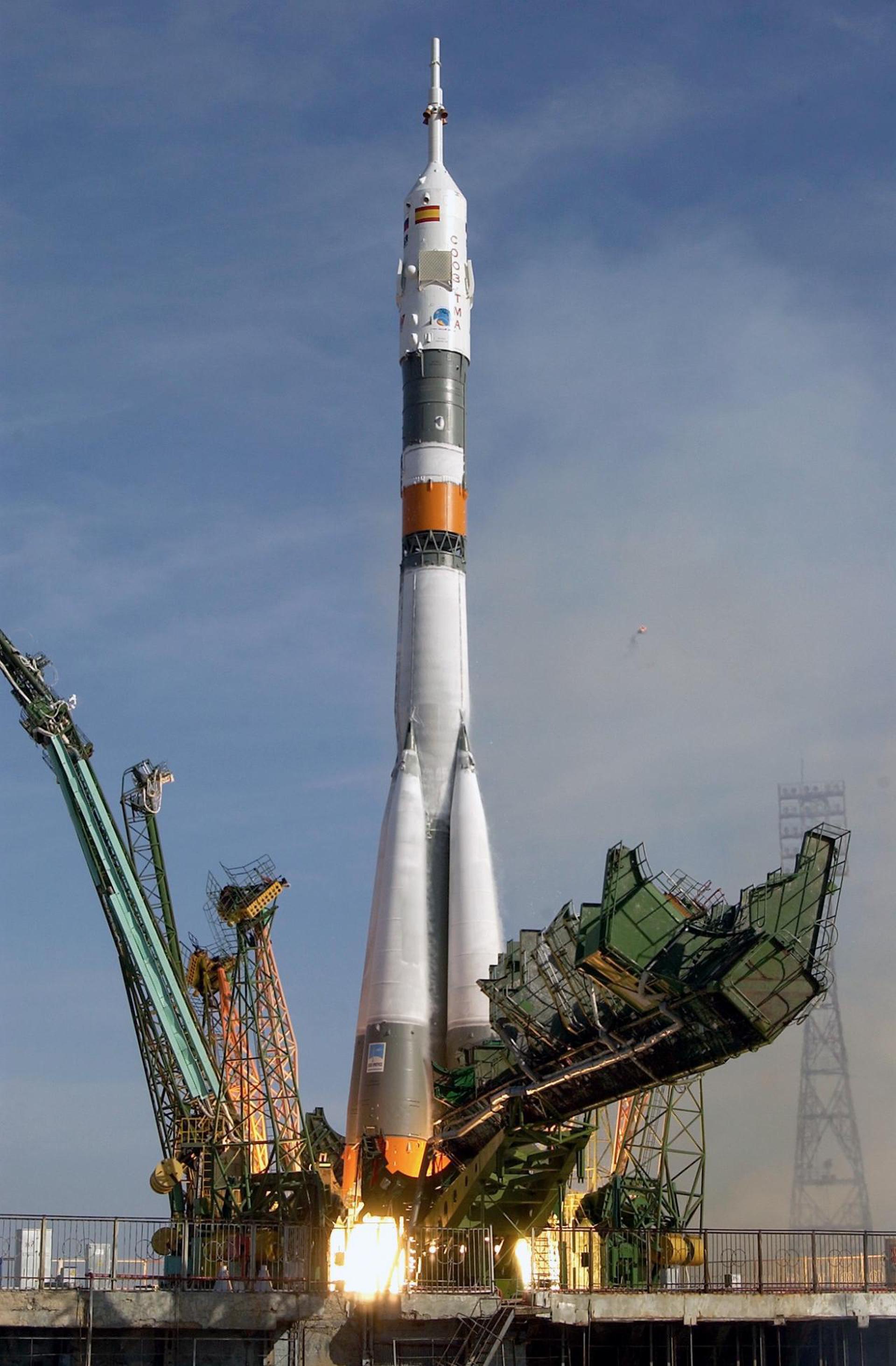
About the Soyuz U
Soyuz-U2
The Soyuz-U2 was a Soviet and Russian expendable orbital launch vehicle, operated by the Soviet Space Program and later the Russian Federal Space Agency (ROSCOSMOS). A refined variant of the workhorse Soyuz-U, it was developed by TsSKB-Progress in Samara and represented one of the final evolutionary steps in the long lineage of R-7-derived rockets that has underpinned Soviet and Russian spaceflight since the late 1950s.
Design and Capabilities
Standing 34.54 metres tall with a core diameter of 2.95 metres, the Soyuz-U2 was outwardly similar to its close relatives in the Soyuz family. Its distinguishing characteristic was the use of a higher-energy synthetic propellant — a mixture incorporating syntin, a cyclopropane-based fuel — in place of the kerosene used by the standard Soyuz-U. This propellant upgrade yielded a modest but meaningful improvement in performance, allowing the vehicle to lift approximately 7,050 kg to low Earth orbit. Like other members of the Soyuz family, it launched from Baikonur Cosmodrome in Kazakhstan.
Operational History
The Soyuz-U2 entered service in 1982 and flew through 1995, a span of thirteen years during which it compiled an exceptional reliability record. Of the 71 flights tracked in our data, all 71 were successful, giving the vehicle a perfect mission success rate across its operational career. This flawless record reflects both the maturity of the underlying Soyuz design and the careful engineering refinements applied to the U2 variant.
The vehicle served almost exclusively the needs of the Soviet and Russian state space programs. Its missions included crewed flights aboard Soyuz TM spacecraft to the Mir space station, a role that underscored the trust placed in its reliability when human lives were at stake. Among its final missions were a series of Soyuz TM crewed launches — including Soyuz TM-18, TM-19, TM-20, TM-21, and TM-22 — delivering cosmonauts and international crew members to Mir during the early 1990s.
Legacy and Retirement
The Soyuz-U2 was retired in 1995, its departure tied primarily to the declining availability and increasing cost of syntin following the dissolution of the Soviet Union. With the industrial infrastructure that had supported syntin production disrupted, continuing to fly the U2 variant became impractical, and crewed and cargo missions transitioned back to the standard Soyuz-U and, later, to newer members of the Soyuz family.
Despite its relatively modest profile compared to more publicised rockets of the era, the Soyuz-U2's unblemished record across seven decades of combined R-7 heritage speaks to the enduring soundness of the design philosophy it embodied. It remains a notable chapter in the broader story of the Soyuz rocket — one of the most flown and most reliable launch vehicle families in the history of spaceflight.
- Feb 22, 2017Soyuz-U | Progress MS-05 (66P)Success
- Dec 01, 2016Soyuz-U | Progress MS-04 (65P)Failure
- Jul 16, 2016Soyuz-U | Progress MS-03 (64P)Success
- Oct 01, 2015Soyuz-U | Progress M-29M (61P)Success
- Jul 03, 2015Soyuz U | Progress M-28M (60P)Success
- Feb 17, 2015Soyuz-U | Progress M-26MSuccess
- Jul 23, 2014Soyuz-U | Progress M-24M (56P)Success
- Apr 16, 2014Soyuz-U | EgyptSat 2 / ايجيبت ساتSuccess
- Apr 09, 2014Soyuz-U | Progress M-23M (55P)Success
- Feb 05, 2014Soyuz-U | Progress M-22M (54P)Success
- Nov 25, 2013Soyuz-U | Progress M-21M (53P)Success
- Jul 27, 2013Soyuz-U | Progress M-20M (52P)Success
- Apr 24, 2013Soyuz-U | Progress M-19M (51P)Success
- Feb 11, 2013Soyuz-U | Progress M-18M (50P)Success
- Oct 31, 2012Soyuz-U | Progress M-17M (49P)Success
- Aug 01, 2012Soyuz-U | Progress M-16M (48P)Success
- May 17, 2012Soyuz-U | Kobalt-M No.8 (Kosmos-2480)Success
- Apr 20, 2012Soyuz-U | Progress M-15M (47P)Success
- Jan 25, 2012Soyuz-U | Progress M-14M (46P)Success
- Oct 30, 2011Soyuz-U | Progress M-13M (45P)Success
- Aug 24, 2011Soyuz-U | Progress M-12M (44P)Failure
- Jun 27, 2011Soyuz-U | Kobalt-M No.7 (Kosmos 2472)Success
- Jun 21, 2011Soyuz-U | Progress M-11M (43P)Success
- Apr 27, 2011Soyuz-U | Progress M-10M (42P)Success
- Jan 28, 2011Soyuz-U | Progress M-09M (41P)Success
- Oct 27, 2010Soyuz-U | Progress M-08M (40P)Success
- Sep 10, 2010Soyuz-U | Progress M-07M (39P)Success
- Jun 30, 2010Soyuz-U | Progress M-06M (38P)Success
- Apr 28, 2010Soyuz-U | Progress M-05M (37P)Success
- Apr 16, 2010Soyuz-U | Kobalt-M (Kosmos 2462)Success
- Feb 03, 2010Soyuz-U | Progress M-04M (36P)Success
- Nov 10, 2009Soyuz U | Progress M-MIM2Success
- Oct 15, 2009Soyuz U | Progress M-03MSuccess
- Jul 24, 2009Soyuz U | Progress M-67Success
- May 07, 2009Soyuz U | Progress M-02MSuccess
- Feb 10, 2009Soyuz U | Progress M-66Success
- Nov 26, 2008Soyuz U | Progress M-01MSuccess
- Sep 10, 2008Soyuz U | Progress M-65Success
- May 14, 2008Soyuz U | Progress M-64Success
- Feb 05, 2008Soyuz U | Progress M-63Success
- Dec 23, 2007Soyuz U | Progress M-62Success
- Aug 02, 2007Soyuz U | Progress M-61Success
- May 12, 2007Soyuz U | Progress M-60Success
- Jan 18, 2007Soyuz U | Progress M-59Success
- Oct 23, 2006Soyuz U | Progress M-58Success
- Jun 24, 2006Soyuz U | Progress M-57Success
- Apr 24, 2006Soyuz U | Progress M-56Success
- Dec 21, 2005Soyuz U | Progress M-55Success
- Sep 08, 2005Soyuz U | Progress M-54Success
- Jun 16, 2005Soyuz U | Progress M-53Success
- Feb 28, 2005Soyuz U | Progress M-52Success
- Dec 23, 2004Soyuz U | Progress M-51Success
- Aug 11, 2004Soyuz U | Progress M-50Success
- May 25, 2004Soyuz U | Progress M-49Success
- Jan 29, 2004Soyuz U | Progress M1-11Success
- Aug 29, 2003Soyuz U | Progress M-48Success
- Jun 08, 2003Soyuz U | Progress M1-10Success
- Feb 02, 2003Soyuz U | Progress M-47Success
- Jun 26, 2002Soyuz U | Progress M-46Success
- Apr 25, 2002Soyuz-U | Soyuz TM-34Success
- Mar 21, 2002Soyuz U | Progress M1-8Success
- Oct 21, 2001Soyuz U | Soyuz TM-33Success
- Sep 14, 2001Soyuz U | Progress M-SO1Success
- Aug 21, 2001Soyuz U | Progress M-45Success
- Apr 28, 2001Soyuz-U | Soyuz TM-32Success
- Feb 26, 2001Soyuz U | Progress M-44Success
- Jan 24, 2001Soyuz U | Progress M1-5Success
- Nov 16, 2000Soyuz U | Progress M1-4Success
- Oct 31, 2000Soyuz-U | Soyuz TM-31Success
- Oct 16, 2000Soyuz U | Progress M-43Success
- Aug 06, 2000Soyuz U | Progress M1-3Success
- Apr 25, 2000Soyuz U | Progress M1-2Success
- Apr 04, 2000Soyuz-U | Soyuz TM-30Success
- Feb 01, 2000Soyuz U | Progress M1-1Success
- Jul 16, 1999Soyuz U | Progress M-42Success
- Apr 02, 1999Soyuz U | Progress M-41Success
- Feb 20, 1999Soyuz-U | Soyuz TM-29Success
- Oct 25, 1998Soyuz U | Progress M-40Success
- Aug 13, 1998Soyuz-U | Soyuz TM-28Success
- May 14, 1998Soyuz U | Progress M-39Success
- Mar 14, 1998Soyuz U | Progress M-38Success
- Jan 29, 1998Soyuz U | Soyuz TM-27Success
- Dec 20, 1997Soyuz U | Progress M-37Success
- Nov 18, 1997Soyuz U | Resurs F-1MSuccess
- Oct 09, 1997Soyuz U | Foton 11 & MirkaSuccess
- Oct 05, 1997Soyuz U | Progress M-36Success
- Aug 05, 1997Soyuz-U | Soyuz TM-26Success
- Jul 05, 1997Soyuz U | Progress M-35Success
- May 15, 1997Soyuz U | Orlets-1 6Success
- Apr 06, 1997Soyuz U | Progress M-34Success
- Feb 10, 1997Soyuz-U | Soyuz TM-25Success
- Dec 24, 1996Soyuz U | Bion 11Success
- Nov 19, 1996Soyuz U | Progress M-33Success
- Aug 17, 1996Soyuz-U | Soyuz TM-24Success
- Jul 31, 1996Soyuz U | Progress M-32Success
- May 14, 1996Soyuz U | Yantar-1KFT 18Failure
- May 05, 1996Soyuz U | Progress M-31Success
- Feb 21, 1996Soyuz-U | Soyuz TM-23Success
- Dec 18, 1995Soyuz U | Progress M-30Success
- Oct 08, 1995Soyuz U | Progress M-29Success
- Sep 29, 1995Soyuz U | Yantar-4KS1M 7Success
- Sep 26, 1995Soyuz U | Resurs-F2 10Success
- Jul 20, 1995Soyuz U | Progress M-28Success
- Apr 09, 1995Soyuz U | Progress M-27Success
- Feb 16, 1995Soyuz U | Foton 10Success
- Feb 15, 1995Soyuz U | Progress M-26Success
- Dec 29, 1994Soyuz U | Yantar-4KS1M 6Success
- Nov 11, 1994Soyuz U | Progress M-25Success
- Aug 25, 1994Soyuz U | Progress M-24Success
- Jul 29, 1994Soyuz U | Yantar-1KFT 17Success
- May 22, 1994Soyuz U | Progress M-23Success
- Apr 28, 1994Soyuz U | Yantar-4KS1M 5Success
- Mar 22, 1994Soyuz U | Progress M-22Success
- Jan 28, 1994Soyuz U | Progress M-21Success
- Nov 05, 1993Soyuz U | Yantar-4KS1M 4Success
- Oct 11, 1993Soyuz U | Progress M-20Success
- Aug 10, 1993Soyuz U | Progress M-19Success
- May 21, 1993Soyuz U | Resurs-F2 9Success
- Apr 27, 1993Soyuz U | Yantar-1KFT 16Success
- Apr 02, 1993Soyuz U | Yantar-4K2 69Success
- Jan 19, 1993Soyuz U | Yantar-4K2 68Success
- Dec 22, 1992Soyuz U | Orlets-1 4Success
- Dec 09, 1992Soyuz U | Yantar-4KS1M 3Success
- Nov 20, 1992Soyuz U | Yantar-4K2 67Success
- Oct 08, 1992Soyuz U | Foton 8Success
- Sep 22, 1992Soyuz U | Yantar-4K2 66Success
- Aug 19, 1992Soyuz U | Resurs-F 16Success
- Jul 24, 1992Soyuz U | Yantar-4K2 65Success
- May 28, 1992Soyuz U | Yantar-4K2 64Success
- Apr 29, 1992Soyuz U | Yantar-1KFT 15Success
- Apr 29, 1992Soyuz U | Resurs-F2 8Success
- Apr 08, 1992Soyuz U | Yantar-4KS1M 2Success
- Jan 21, 1992Soyuz U | Yantar-4K2 62Success
- Dec 17, 1991Soyuz U | Yantar-1KFT 14Success
- Nov 20, 1991Soyuz U | Yantar-4K2 61Success
- Sep 19, 1991Soyuz U | Yantar-4K2 60Success
- Jul 23, 1991Soyuz U | Resurs-F 12Success
- Jul 10, 1991Soyuz U | Yantar-4KS1M 1Success
- May 24, 1991Soyuz U | Yantar-4K2 59Success
- Mar 26, 1991Soyuz U | Yantar-4K2 58Success
- Feb 15, 1991Soyuz U | Yantar-1KFT 13Success
- Feb 07, 1991Soyuz U | Yantar-4K2 57Success
- Dec 21, 1990Soyuz U | Yantar-4KS1 15Success
- Dec 04, 1990Soyuz U | Yantar-4K2 56Success
- Nov 16, 1990Soyuz U | Zenit-8 95Success
- Oct 16, 1990Soyuz U | Yantar-4K2 55Success
- Aug 31, 1990Soyuz U | Zenit-8 94Success
- Jul 20, 1990Soyuz U | Zenit-8 93Success
- Jul 03, 1990Soyuz U | Yantar-4K2 53Failure
- Jun 19, 1990Soyuz U | Zenit-8 92Success
- May 29, 1990Soyuz U | Resurs-F 6Success
- May 15, 1990Soyuz U | Yantar-1KFT 12Success
- May 07, 1990Soyuz U | Yantar-4K2 52Success
- Apr 17, 1990Soyuz U | Zenit-8 91Success
- Apr 13, 1990Soyuz U | Yantar-4KS1 14Success
- Apr 11, 1990Soyuz U | Foton 6Success
- Apr 03, 1990Soyuz U | Yantar-4K2 51Failure
- Mar 22, 1990Soyuz U | Zenit-8 90Success
- Jan 25, 1990Soyuz U | Yantar-4K2 50Success
- Jan 17, 1990Soyuz U | Zenit-8 89Success
- Nov 30, 1989Soyuz U | Yantar-4K2 49Success
- Nov 17, 1989Soyuz U | Yantar-4KS1 13Success
- Oct 17, 1989Soyuz U | Zenit-8 88Success
- Oct 03, 1989Soyuz U | Yantar-4K2 48Success
- Sep 22, 1989Soyuz U | Zenit-8 87Success
- Sep 15, 1989Soyuz U | Bion 9Success
- Aug 22, 1989Soyuz U | Zenit-8 86Success
- Aug 15, 1989Soyuz U | Resurs-F2 4Success
- Aug 02, 1989Soyuz U | Zenit-8 85Success
- Jul 20, 1989Soyuz U | Zenit-8 84Success
- Jul 18, 1989Soyuz U | Orlets-1 1Success
- Jul 18, 1989Soyuz U | Resurs-F 3Success
- Jul 12, 1989Soyuz U | Yantar-4K2 47Success
- Jun 27, 1989Soyuz U | Resurs-F 2Success
- Jun 16, 1989Soyuz U | Zenit-8 82Success
- Jun 01, 1989Soyuz U | Zenit-8 81Success
- May 24, 1989Soyuz U | Yantar-1KFT 11Success
- May 17, 1989Soyuz U | Yantar-4K2 46Success
- Apr 26, 1989Soyuz U | Foton 5Success
- Apr 20, 1989Soyuz U | Yantar-4K2 45Success
- Mar 23, 1989Soyuz U | Yantar-4KS1 12Success
- Mar 02, 1989Soyuz U | Yantar-4K2 44Success
- Feb 17, 1989Soyuz U | Zenit-8 77Success
- Feb 10, 1989Soyuz U | Zenit-8 76Success
- Jan 28, 1989Soyuz U | Yantar-4K2 43Success
- Jan 18, 1989Soyuz U | Zenit-8 75Success
- Jan 12, 1989Soyuz U | Resurs-F2 3Success
- Dec 29, 1988Soyuz U | Yantar-1KFT 10Success
- Dec 16, 1988Soyuz U | Yantar-4K2 42Success
- Nov 30, 1988Soyuz U | Zenit-8 73Success
- Nov 24, 1988Soyuz U | Zenit-8 72Success
- Nov 11, 1988Soyuz U | Yantar-4KS1 11Failure
- Oct 27, 1988Soyuz U | Zenit-8 71Success
- Oct 13, 1988Soyuz U | Zenit-8 70Success
- Sep 15, 1988Soyuz U | Yantar-4K2 41Success
- Sep 09, 1988Soyuz U | Resurs-F1 17F43 31L 4Success
- Sep 06, 1988Soyuz U | Zenit-8 68Success
- Aug 23, 1988Soyuz U | Resurs-F2 2Success
- Aug 23, 1988Soyuz U | Zenit-8 67Success
- Aug 16, 1988Soyuz U | Yantar-4K2 40Success