Neutron
About the Neutron
Neutron
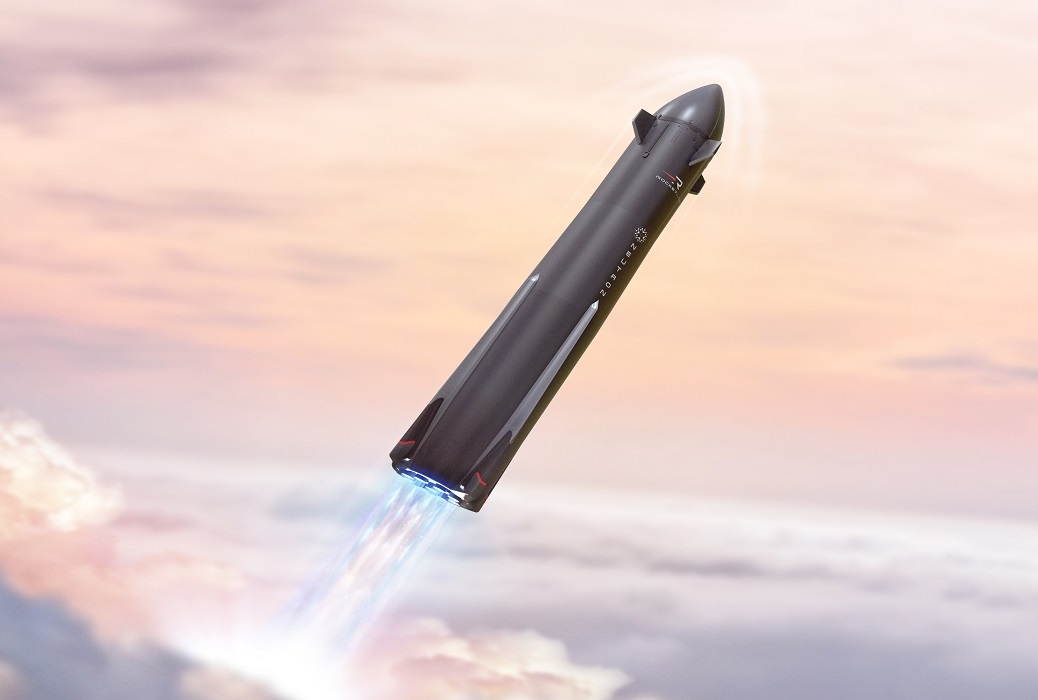
Neutron is a medium-to-heavy class orbital launch vehicle developed and operated by Rocket Lab, the New Zealand–American launch services company best known for its smaller Electron rocket. Designed to compete in the reusable rocket market, Neutron represents a significant step up in capability for Rocket Lab and positions the company alongside other providers targeting the growing demand for constellation deployment and large commercial payloads.
Design and Capabilities
Standing 40 meters tall with a diameter of 7 meters, Neutron is a notably wide-bodied vehicle by the standards of its class — a design philosophy intended to accommodate large fairings and high-volume payloads without requiring a separate payload fairing jettison in the conventional sense. The rocket is capable of delivering 15,000 kilograms to low Earth orbit (LEO), placing it firmly in the medium-heavy category and making it well-suited for satellite constellation deployment, government missions, and eventually human spaceflight support.
A defining feature of Neutron is its reusability. The first stage is designed to return to Earth and land after each mission, following the broader industry trend established by reusable launch systems in the 2010s. Rocket Lab has emphasized that reusability is central to Neutron's business case, enabling a higher flight cadence and lower cost per kilogram to orbit over time.
Flight History
Neutron first appeared in our tracking records in 2026, with the vehicle conducting its maiden flight that year. As of the data reflected here, the rocket has been tracked across two flights spanning 2026 and 2027, including the Neutron | NZSA Venus Mission — a notable scientific payload that underscores the vehicle's ambition beyond routine commercial launches. Neither flight is recorded as an outright success or failure in our current dataset, reflecting the complexities of classifying early-program missions where partial or developmental objectives may apply.
The top customer associated with Neutron missions in our records is Rocket Lab itself, consistent with the pattern of launch providers flying proprietary or government-adjacent payloads during an vehicle's early operational phase to demonstrate reliability before opening the manifest to broad commercial customers.
Context and Significance
Neutron's development signals Rocket Lab's strategic evolution from a dedicated small-launch provider into a full-spectrum launch company. Where Electron serves the small satellite market with a relatively modest payload capacity, Neutron is intended to address an entirely different tier of the market — one dominated historically by larger, more expensive rockets.
The vehicle's wide diameter, reusable architecture, and mid-heavy lift capability make it a distinctive entrant in a competitive landscape. Its early missions, including a planetary science payload, suggest that Rocket Lab is pursuing a diverse customer base from the program's outset rather than targeting a single market segment.
With only a handful of flights on record, Neutron remains in the early stages of its operational life, and its long-term reliability and cadence are yet to be established. Nonetheless, its entry into service marks a meaningful expansion of launch options for satellite operators, scientific agencies, and institutional customers seeking reusable medium-lift capability.