Kii-based Advanced & Instant ROcket System
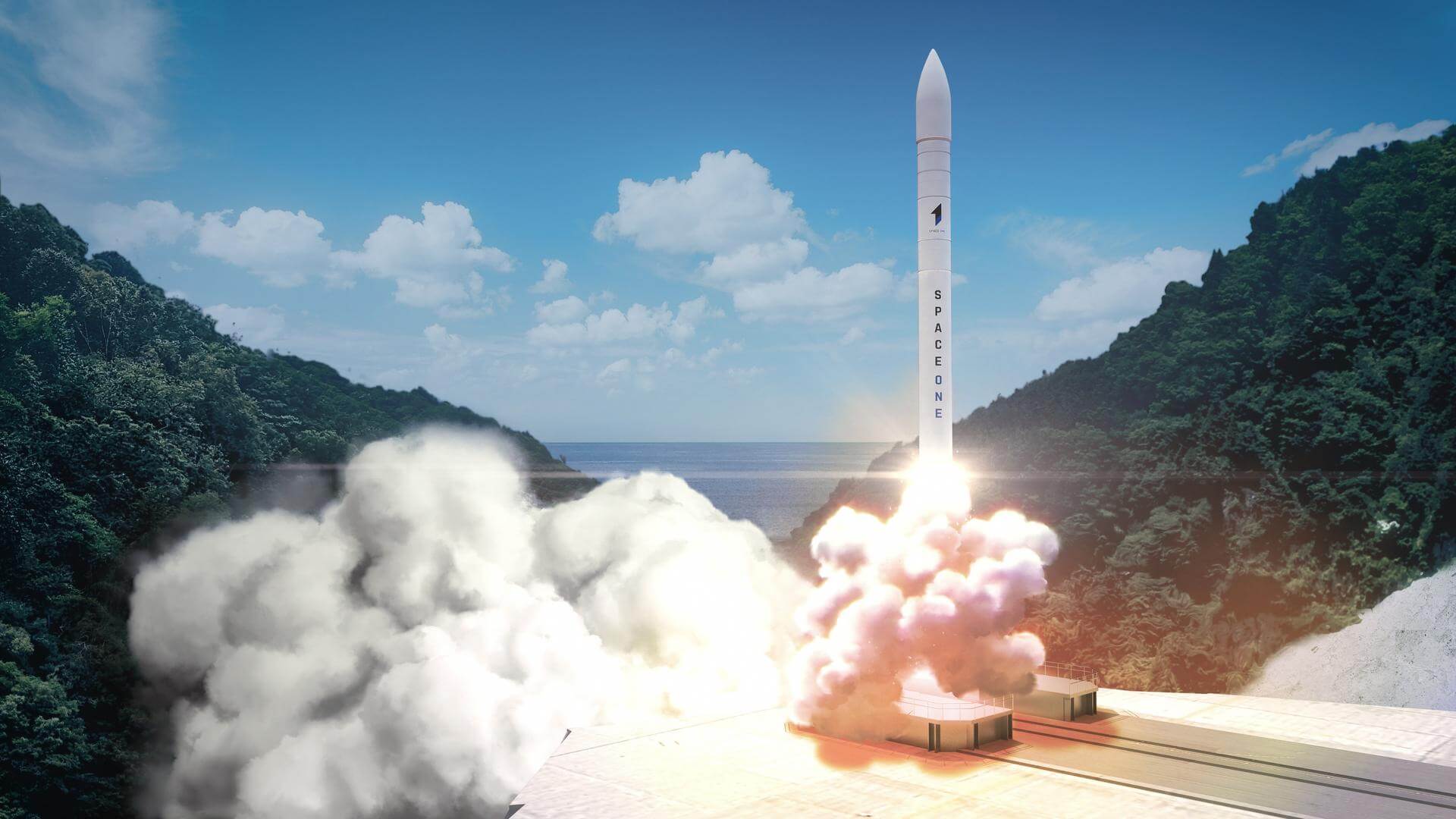
About the Kii-based Advanced & Instant ROcket System
Kii-based Advanced & Instant ROcket System (KAIROS)
The Kii-based Advanced & Instant ROcket System, universally abbreviated as KAIROS, is a small orbital launch vehicle developed and operated by Space One Co., Ltd., a Japanese private launch startup. Designed to serve the rapidly growing commercial small-satellite market, KAIROS represents one of Japan's most prominent efforts to establish a domestically developed, privately operated orbital rocket capable of rapid, responsive launch services.
Development and Design
Space One was established with backing from a consortium of Japanese industrial partners, including Canon Electronics, IHI Aerospace, and Shimizu Corporation, among others. The company positioned KAIROS as a vehicle optimized for speed and flexibility — the name itself reflects an ambition for near-on-demand access to orbit. Standing 18 meters tall with a diameter of 1.35 meters, KAIROS is a compact, solid-fueled rocket, a configuration chosen in part for its relative simplicity and the reduced infrastructure it demands compared to liquid-propellant alternatives. The vehicle is rated to deliver up to 250 kilograms to low Earth orbit, placing it firmly in the small-lift category alongside contemporaries from other emerging launch providers worldwide.
KAIROS lifts off from Space One's dedicated Kiiota Launch Complex, located on the Kii Peninsula in Wakayama Prefecture — the facility from which the vehicle takes its name. The coastal site was purpose-built for the program and represents a significant investment in Japan's commercial launch infrastructure.
Flight History
As of the data tracked on this platform, KAIROS has conducted three flights, spanning 2024 to 2026, all of which resulted in failure or partial failure. None of the three missions achieved a confirmed successful orbital insertion.
The program's Maiden Flight in 2024 ended in an early termination shortly after liftoff, drawing widespread attention as Space One had marketed the mission as a landmark moment for Japanese private spaceflight. Subsequent attempts — Flight 2 and Flight 3 — have continued to demonstrate the formidable technical challenges inherent in developing a new orbital-class vehicle from the ground up, even for a program supported by experienced aerospace industrial partners.
Context and Significance
Despite its difficult early flight record, KAIROS occupies a meaningful place in the broader landscape of commercial spaceflight. Japan has a long and accomplished heritage in launch vehicle development through JAXA and established programs such as the H-II and Epsilon rocket families. KAIROS, however, represents the country's first serious private-sector attempt to field a competitive small-launch product aimed squarely at international commercial customers.
The vehicle's all-solid propulsion architecture and rapid-response philosophy distinguish it conceptually from many of its global competitors, which frequently favor liquid propellants for their throttle flexibility and reusability potential. Space One's approach prioritizes simplicity and turnaround speed, a trade-off that reflects a particular vision of what the small-satellite launch market may ultimately reward.
Space One remains the vehicle's primary and, to date, sole customer of record in this platform's flight log. The company's path forward will depend heavily on isolating and resolving the anomalies that have affected all three flights to date as it works toward its first operational success.