Gaganyaan Abort Test Booster
About the Gaganyaan Abort Test Booster
Gaganyaan Abort Test Booster
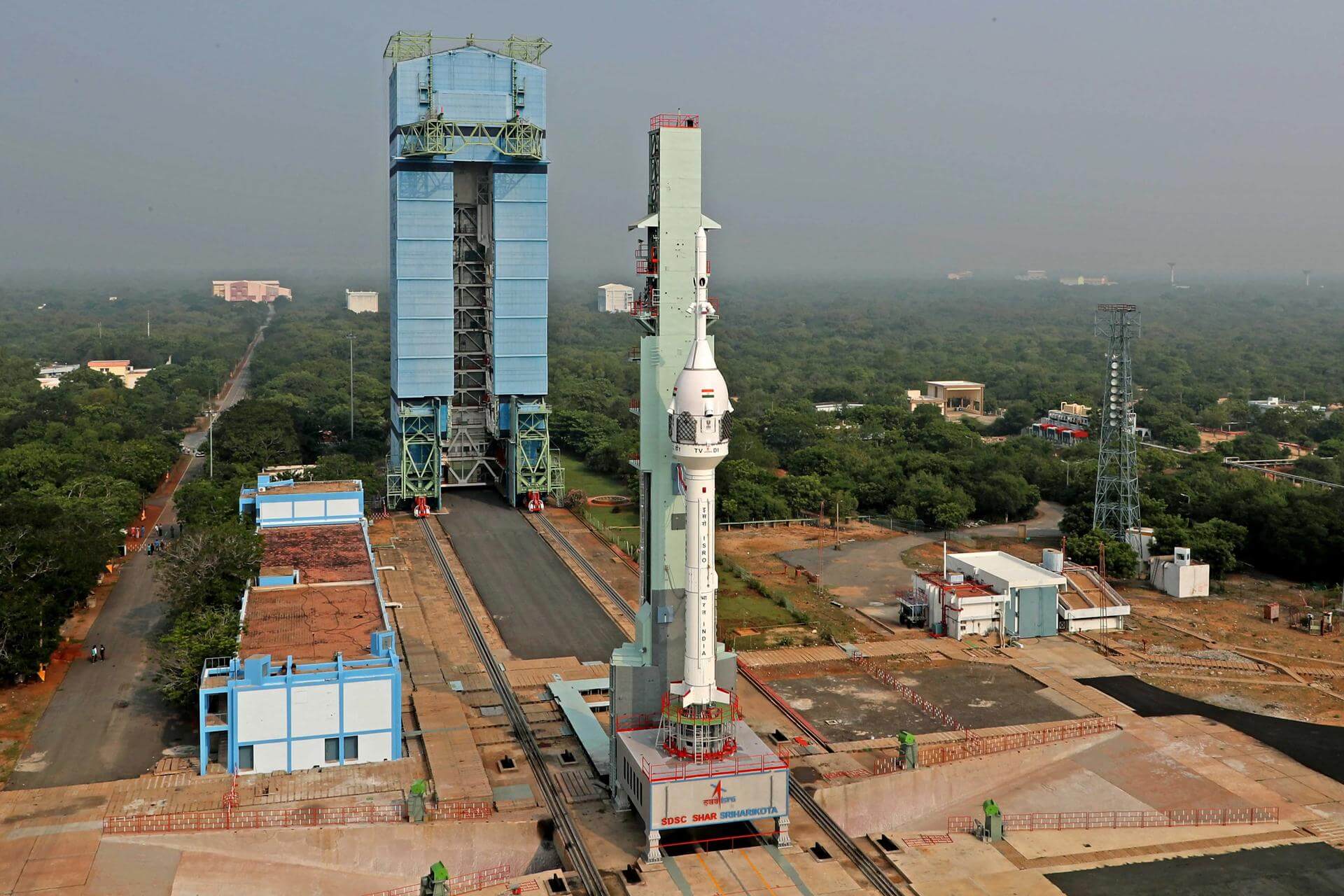
The Gaganyaan Abort Test Booster (commonly abbreviated as TV, for Test Vehicle) is a single-use, solid-fueled rocket operated by the Indian Space Research Organisation (ISRO) to validate the crew escape system developed for India's human spaceflight program. Rather than serving as an orbital launch vehicle in the traditional sense, it functions as a dedicated suborbital test platform, purpose-built to simulate the conditions an ascending crewed spacecraft might encounter in the event of an in-flight emergency.
Role and Context
ISRO designed the Test Vehicle booster specifically to support the Gaganyaan program, India's national initiative to send Indian astronauts — called Gaganauts — to low Earth orbit aboard a domestically developed crew capsule. Before any crewed flight can take place, the Crew Escape System (CES) must be demonstrated under realistic aerodynamic stresses. The abort test booster fulfills this role by propelling a representative crew module to altitude and speed, at which point the escape system fires, pulling the capsule away from the rocket and allowing it to descend safely under parachutes. The vehicle launches from the Satish Dhawan Space Centre on Sriharikota Island, off India's southeastern coast, the same facility that hosts ISRO's broader launch operations.
Flight History
Our records show two flights of the Gaganyaan Abort Test Booster, spanning the years 2023 to 2026, with one confirmed success and no recorded failures or partial failures. The two tracked missions are:
- TV-D1, the first test flight, which demonstrated the abort scenario at a critical phase of ascent and marked a significant early milestone for the Gaganyaan program. - TV-D2, the second flight, continuing the incremental verification of escape system performance across different flight conditions.
Both missions were conducted exclusively for the Indian Space Research Organisation, which remains the sole customer for this vehicle. The "D" designation in each mission name reflects the sequential nature of the test campaign, with each flight targeting specific points in the flight envelope to build confidence ahead of uncrewed and eventually crewed Gaganyaan orbital missions.
Significance
The Gaganyaan Abort Test Booster occupies an important place in ISRO's human spaceflight development timeline. India is one of a small number of countries to have developed its own crew escape technology, and the test vehicle program represents a methodical, safety-first approach consistent with established international spaceflight practice. Successful demonstration of the Crew Escape System is a prerequisite for astronaut certification, making these test flights foundational to the broader Gaganyaan mission architecture.
Although modest in scale compared to orbital launch vehicles, the Gaganyaan Abort Test Booster carries substantial programmatic weight. Each flight generates critical data on escape motor performance, aerodynamic separation, and parachute recovery — all of which directly inform the design verification of the crew module that Indian astronauts are expected to fly aboard. The vehicle thus represents not an end in itself, but a carefully engineered step toward India's goal of independent human access to space.