Firefly Alpha Block 2
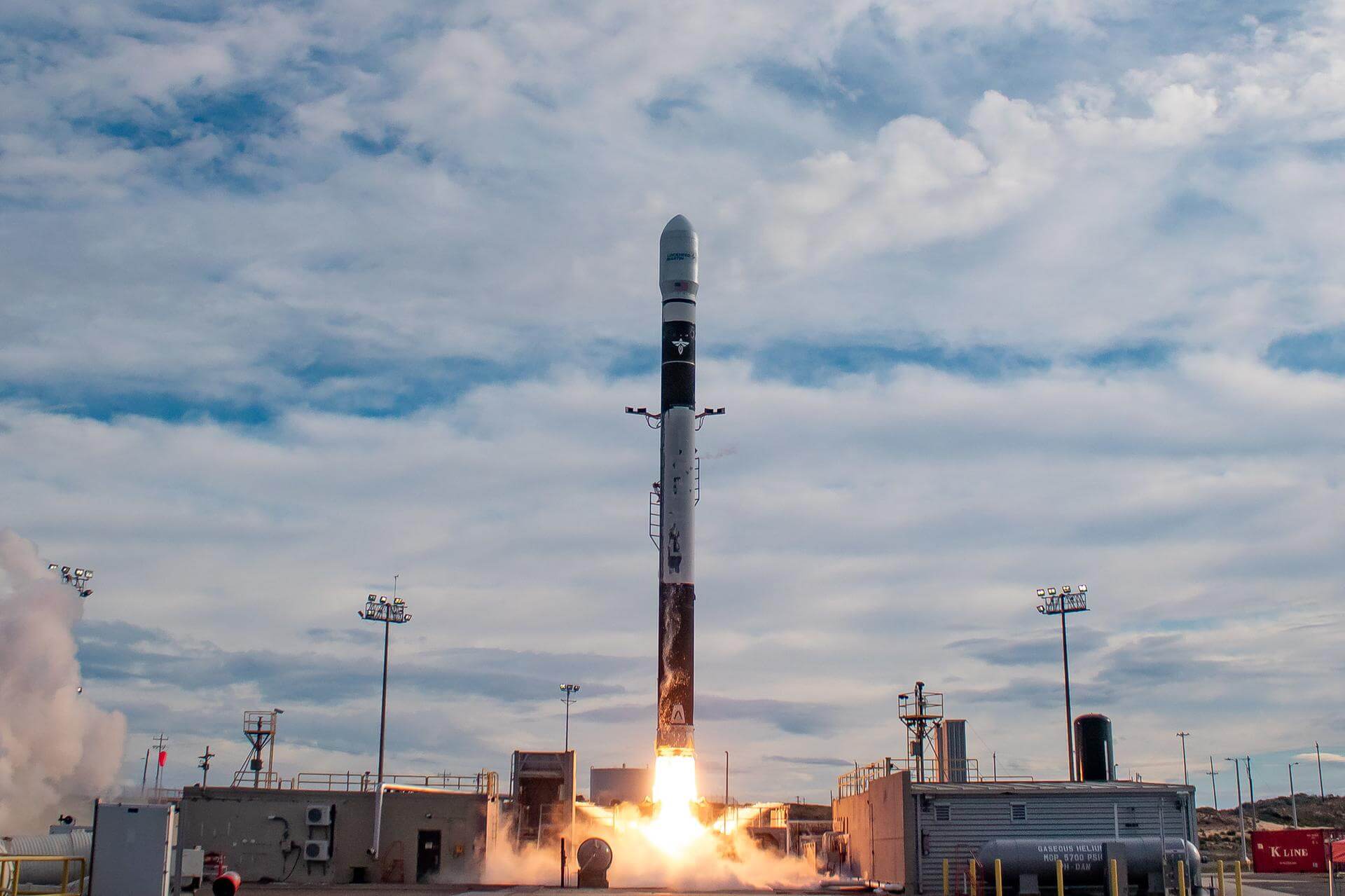
About the Firefly Alpha Block 2
Firefly Alpha Block 2
Firefly Alpha Block 2 is an orbital small-satellite launch vehicle developed and operated by Firefly Aerospace, an American launch services company headquartered in Cedar Park, Texas. It represents an incremental evolution of the original Firefly Alpha design, refined to improve reliability and mission flexibility for small payload operators seeking dedicated access to low Earth orbit.
Vehicle Overview
Standing 31.6 meters tall with a diameter of 1.82 meters, Firefly Alpha Block 2 is a slender, two-stage rocket occupying the light-lift segment of the commercial launch market. It is capable of delivering up to 1,030 kilograms to low Earth orbit, positioning it alongside other vehicles in the small-to-medium small-launch category. The Block 2 designation reflects design improvements made by Firefly Aerospace following lessons learned from earlier Alpha flights, though the vehicle retains the same fundamental architecture and launch profile as its predecessor. Firefly Alpha vehicles launch from Vandenberg Space Force Base in California, enabling a wide range of orbital inclinations suited to Earth-observation, communications, and technology-demonstration missions.
Operational History
According to tracked flight data, Firefly Alpha Block 2 entered service in 2026 and has accumulated four tracked flights within that year. The missions logged under this variant include VICTUS HAZE Jackal, QuickSounder, INCUS, and TacSat — a payload manifest that reflects a strong orientation toward government and defense customers. Each of these missions carries characteristics associated with rapid-response or remote-sensing objectives, underscoring Firefly Aerospace's growing role as a provider of tactically responsive space launch services for United States government partners.
The VICTUS HAZE Jackal mission, in particular, aligns with the U.S. Space Force's broader tactically responsive launch initiative, which demands the ability to place satellites on orbit on compressed timelines. QuickSounder and INCUS suggest connections to atmospheric science and environmental monitoring payloads, while TacSat is consistent with experimental government satellite programs. Firefly Aerospace itself appears as the top listed customer across these flights, consistent with the company managing integrated mission services on behalf of government sponsors.
Market Position and Significance
Firefly Alpha Block 2 competes in a launch market increasingly defined by the demand for dedicated rideshare alternatives — operators who want schedule control and tailored orbits rather than the constraints of a shared manifest. The Block 2 improvements aim to make Alpha a more dependable option in this segment, where reliability and turnaround time are as commercially important as raw payload capacity.
The vehicle's activity in 2026 signals Firefly Aerospace's transition from a launch company still proving its vehicle to one pursuing cadence and operational maturity. With a payload capacity exceeding one metric ton to LEO, Alpha Block 2 offers meaningful lift for constellation replenishment, prototype satellites, and government technology demonstrations — use cases that have driven sustained demand across the small launch industry throughout the 2020s.
- Dec 31, 2027Firefly Alpha Block 2 | INCUSTBD
- Apr 30, 2027Firefly Alpha Block 2 | ConnectedCosmos Launch 4TBD
- Feb 28, 2027Firefly Alpha Block 2 | ConnectedCosmos Launch 3TBD
- Dec 31, 2026Firefly Alpha Block 2 | TacSatTBD
- Dec 31, 2026Firefly Alpha Block 2 | ConnectedCosmos Launch 1TBD
- Dec 31, 2026Firefly Alpha Block 2 | ConnectedCosmos Launch 2TBD
- Sep 30, 2026Firefly Alpha Block 2 | QuickSounderTBD