Atlas V N22
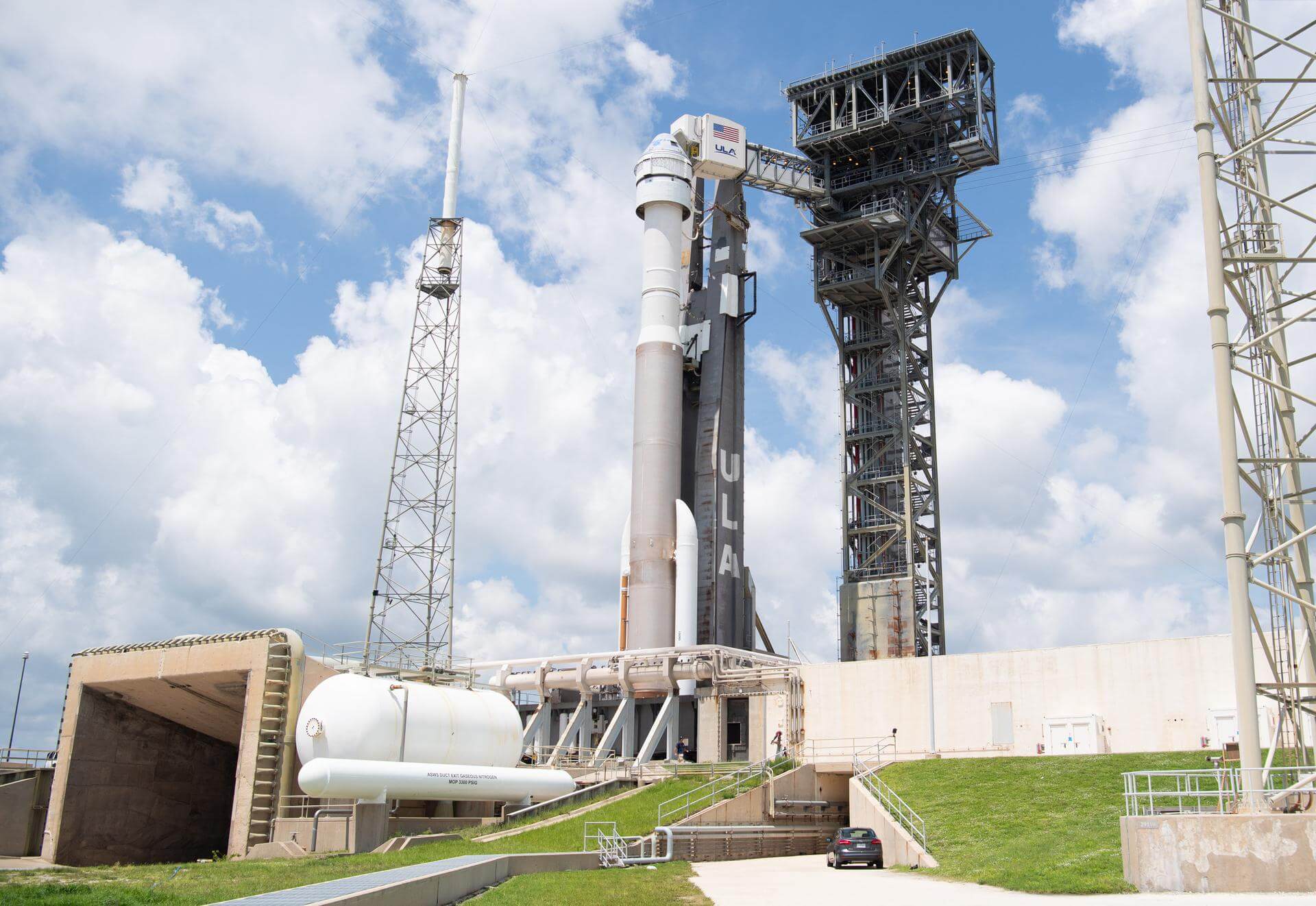
About the Atlas V N22
Atlas V N22
The Atlas V N22 is a variant of the Atlas V launch vehicle family, operated by United Launch Alliance (ULA), a joint venture between Boeing and Lockheed Martin. Like all Atlas V configurations, it launches from facilities operated by ULA and represents one of the most mission-specific derivatives of the broader Atlas V line, tailored to meet the demands of crewed and human-rated spaceflight.
Design and Configuration
The Atlas V N22 designation reflects key features of its configuration within the Atlas V naming system. The "N" denotes a five-meter payload fairing optimized for crew vehicle applications, while "22" indicates the use of two solid rocket boosters and a dual-engine Centaur upper stage — the latter being a distinguishing feature that enhances reliability and performance redundancy for human spaceflight missions. Standing 58 meters tall with a diameter of 3.8 meters, the vehicle presents a profile consistent with other members of the Atlas V family. It is capable of delivering up to 13,034 kg to low Earth orbit.
Role and Mission History
The Atlas V N22 was developed specifically to support NASA's Commercial Crew Program, serving as the launch vehicle for Boeing's CST-100 Starliner spacecraft. This purpose-built human spaceflight role sets it apart from other Atlas V variants, which are predominantly used for robotic or national security payloads. The dual-engine Centaur upper stage was selected for this configuration to meet NASA's human rating requirements, providing an additional layer of engine-out capability during ascent.
According to tracked flight data, the Atlas V N22 has been active from 2019 through 2028, with a record of nine tracked flights and a confirmed success rate across three fully recorded successful missions. Its mission manifest has been dominated by Starliner flights, including Starliner-1, Starliner-2, Starliner-3, Starliner-4, Starliner-5, and Starliner-6, underscoring the vehicle's singular focus on supporting crewed access to the International Space Station and other low Earth orbit destinations.
Operational Context
United Launch Alliance serves as both the manufacturer and operator of the Atlas V N22, overseeing vehicle integration, launch operations, and mission assurance. The company's deep heritage in government and scientific launch services made it a natural partner for NASA's Commercial Crew Program, and the Atlas V N22 represents ULA's primary contribution to restoring and sustaining American crewed launch capability from domestic soil.
The N22 configuration is among the most specialized variants in the Atlas V catalog. Its emphasis on reliability over raw performance reflects the priorities inherent in any vehicle carrying human passengers, where mission assurance and abort capabilities take precedence. The dual-engine Centaur, in particular, marks a notable departure from the single-engine upper stage used in most other Atlas V configurations.
Legacy
The Atlas V N22's sustained involvement in the Starliner program across nearly a decade of activity places it at a meaningful juncture in American spaceflight history — bridging the post-Space Shuttle era and supporting the broader commercial crew ecosystem. Its relatively focused mission profile and consistent operational record distinguish it as a purpose-built tool for human spaceflight within an otherwise diverse vehicle family.
- Dec 31, 2028Atlas V N22 | Starliner-6TBD
- Dec 31, 2028Atlas V N22 | Starliner-5TBD
- Dec 31, 2027Atlas V N22 | Starliner-4TBD
- Dec 31, 2027Atlas V N22 | Starliner-3TBD
- Dec 31, 2026Atlas V N22 | Starliner-2TBD
- Dec 31, 2026Atlas V N22 | Starliner-1TBD
- Jun 05, 2024Atlas V N22 | CST-100 Starliner Crewed Flight TestSuccess
- May 19, 2022Atlas V N22 | CST-100 Starliner Orbital Flight Test 2 (OFT-2)Success
- Dec 20, 2019Atlas V N22 | CST-100 Starliner Orbital Flight TestSuccess